


Food does more than satisfy hunger. The right foods give your body the building blocks it needs to grow, repair itself, fight disease, and stay strong. Good nutrition supports your teeth and gums, bones, muscles, brain, immune system, and every other part of your body.
Protein is important—but meat is not required to get enough protein. Beans, lentils, peas, soy foods, nuts, seeds, and whole grains can provide plenty of protein when eaten as part of a varied diet. Look at the animals God created: elephants and gorillas eat plants and develop enormous muscles and strong bodies. Humans can also meet their protein needs from plants. The goal is not simply to eat more protein, but to get it from nutritious foods that also provide fiber, vitamins, minerals, and phytonutrients.
The quality of the food matters. When whole foods are refined, important parts are often removed. Refining grains, for example, can strip away fiber, vitamins, minerals, healthy fats, and phytonutrients, leaving mostly starch. Refined oils and foods cooked repeatedly at very high temperatures can also create unhealthy compounds. Highly processed foods may provide plenty of calories while providing far less of the nutrition your body needs. Excess dietary fat, especially when combined with excess calories and refined carbohydrates, can contribute to insulin resistance and increase the risk of type 2 diabetes.
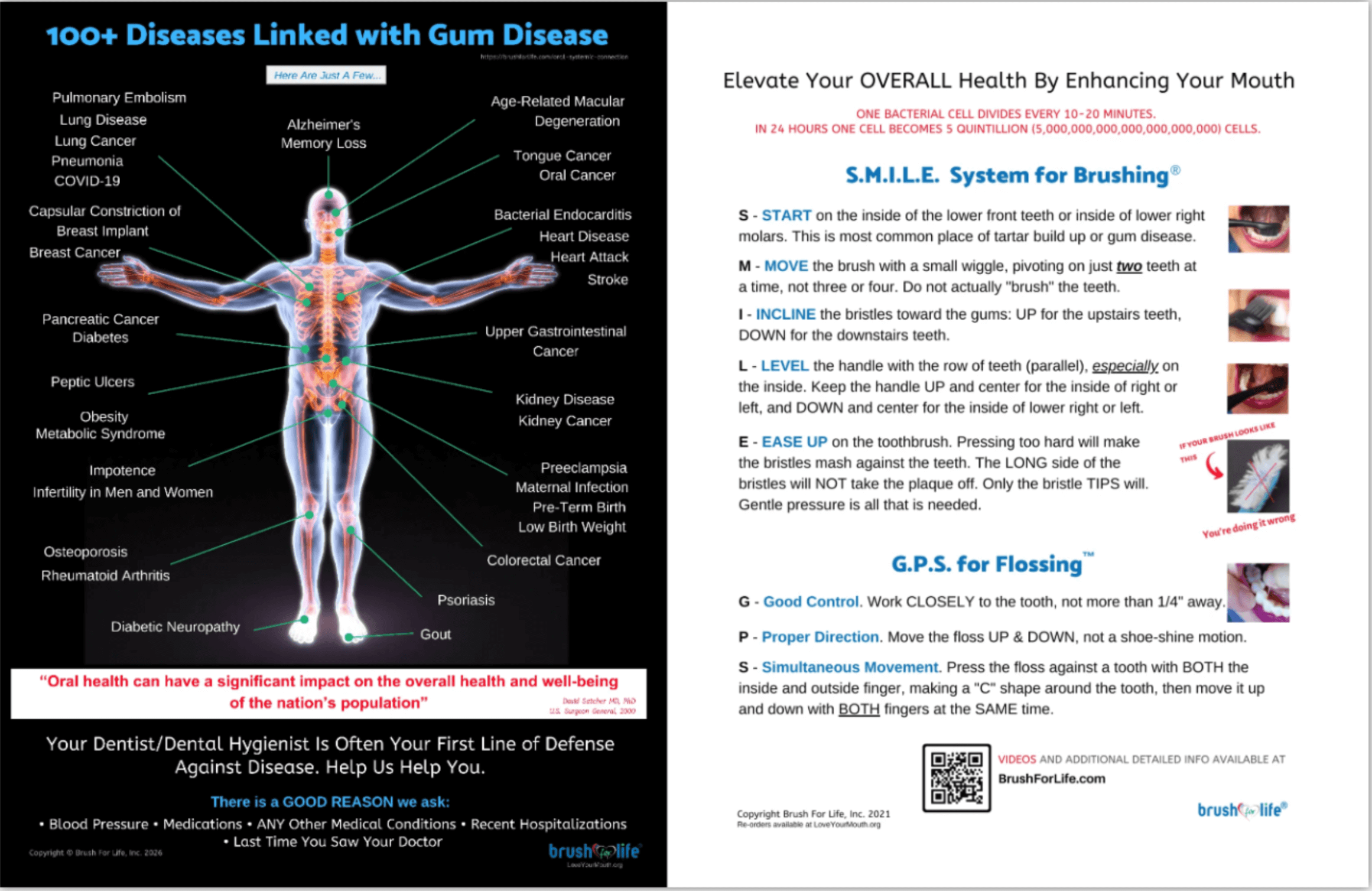
Sugar deserves special attention. Frequent intake of added sugar can feed harmful bacteria in the mouth, increase inflammation, and contribute to weight gain and insulin resistance. High-sugar diets can also affect immune function and, indirectly, cancer risk. Sugar itself does not uniquely "feed" cancer cells—every cell needs glucose—but diets high in added sugar can contribute to obesity, metabolic problems, and chronic inflammation, which are associated with increased risk of several cancers.
Nutrition also affects the bones that support your teeth. Calcium and phosphorus are both essential minerals, but the body must keep them in balance. Large amounts of phosphorus, especially from processed foods and certain animal-based foods, can affect calcium and bone metabolism. Calcium and phosphate can also combine to form mineral deposits, including dental calculus (tartar). The kidneys regulate these minerals and remove excess phosphate. Healthy nutrition therefore means more than simply getting enough of one nutrient—it means providing the body with the right balance of nutrients from a wide variety of whole foods.
Eat a rainbow. Choose whole foods. Get your protein from a variety of sources. Limit refined foods, added sugar, and heavily processed fats. Nourish the body God created.