


Water: Inside the Body, Outside the Body, and Back to the Mouth
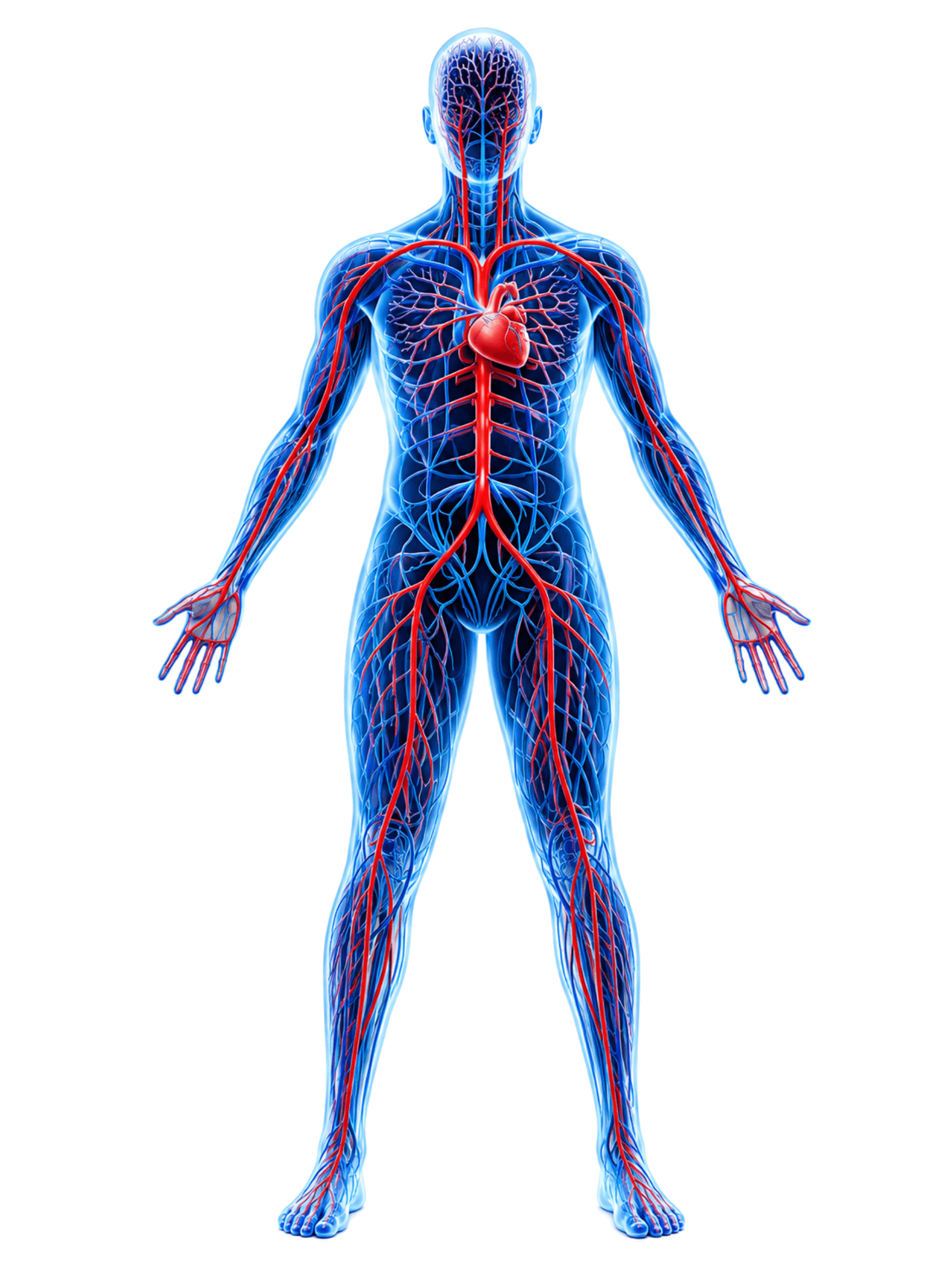
Water is essential for life. Every cell in the body depends on it. Water helps carry nutrients through the blood, supports digestion, helps the kidneys remove waste, maintains blood volume, regulates body temperature, and supports normal function of the brain, muscles, joints, and other tissues. The human body is approximately 50–60% water in adults, with infants having an even higher percentage.¹ We continually lose water through urine, breathing, bowel movements, and the skin, and fluid loss increases with exercise, sweating, fever, vomiting, diarrhea, and hot weather. Dehydration can contribute to constipation, electrolyte disturbances, overheating, impaired thinking, and kidney problems.²,³
Water is therefore needed inside the body and outside the body. Drinking clean water supports the body's internal systems, while bathing and washing help maintain the health of the skin. The skin is not simply a covering. It is a living organ and one of the body's first lines of defense. It contains sweat glands, oil glands, blood vessels, nerves, and immune cells that help protect the body from its environment.⁴ The skin also needs regular care because sweat, oil, dead skin cells, microorganisms, and environmental dirt can collect on its surface.
The Skin Has "Little Mouths"
A useful picture is to think of the pores and openings of the skin as little mouths. They are not literally mouths, of course, but they help us remember that the skin is active. Sweat leaves the body through sweat ducts, helping regulate temperature. Oil reaches the surface through sebaceous glands and helps protect the skin. The skin also releases small amounts of electrolytes, urea, and other substances through sweat.⁵
The skin can also absorb substances from the outside. This is not merely a theory. Modern medicine uses the skin as a route for delivering medications into the bloodstream. Transdermal patches can deliver medicines and hormones through the skin over an extended period. Research on transdermal drug delivery demonstrates that substances placed on the skin can cross the skin barrier and enter the body, although the skin is also a strong protective barrier and not every substance can penetrate it.⁶–⁸
This is why what happens on the skin matters. The skin can release substances, and the skin can absorb substances. Keeping it clean is therefore part of good health. Regular bathing removes sweat, excess oils, microorganisms, dead skin cells, and other material from the skin's surface. When sweat and other material remain trapped against the skin for long periods, especially in warm, moist areas, the skin can become irritated and damaged. Prolonged moisture can cause maceration, in which the skin becomes overly hydrated, soft, fragile, and more easily injured.⁹
Regular cleansing also helps prevent substances that have accumulated on the skin from remaining in prolonged contact with the skin surface. This is especially important after heavy sweating. The purpose is not to suggest that all "toxins" leave the body through the pores. The kidneys, liver, gastrointestinal tract, and lungs perform most of the body's major waste-processing and elimination functions. Sweat is primarily a mechanism for cooling the body, although it contains small amounts of electrolytes and other substances.⁵
The same principle applies to clothing and bandages. Clothing should fit comfortably and should not continually press on the skin or interfere with normal circulation. A dressing or bandage should be used appropriately and changed or managed according to the condition being treated. Prolonged pressure can reduce blood flow to tissue and cause tissue injury, while prolonged moisture and occlusion can damage the skin. Pressure-related tissue injury can progress from redness and inflammation to tissue breakdown and, in severe cases, tissue death (necrosis).¹⁰,¹¹
This is why the simple idea of allowing the body to "breathe" has practical value, provided we understand what it means. Skin does not breathe oxygen from the air in the way the lungs do. Instead, healthy skin needs adequate blood flow, appropriate moisture, protection from prolonged pressure, and an environment that does not remain excessively wet or tightly occluded. A tight garment, continuously wet clothing, or an improperly managed bandage can create warmth, moisture, friction, pressure, and poor circulation. The result may be an unpleasant odor, irritation, maceration, infection, or tissue injury.⁹–¹¹
ORAL HEALTH ADVICE: Give Denture-Bearing Tissues Time to Rest
The same principle applies inside the mouth. A removable denture is a foreign surface that rests against living oral tissue. Prolonged pressure and continuous coverage can contribute to inflammation and irritation of the tissues underneath the denture. Research has found that wearing complete dentures during sleep can affect the blood-vessel responses of the oral mucosa and may contribute to inflammation of the tissue.¹²
For this reason, removable complete and partial dentures should generally be removed at night, or for an appropriate period during each 24-hour cycle, unless a dentist or prosthodontist has given different instructions. Removing the denture gives the tissues underneath time to rest, reduces continuous pressure, allows normal blood flow to the tissue, and allows the oral mucosa to recover. The denture should also be cleaned properly, and the mouth and denture-bearing tissues should be cleaned daily. The American Dental Association notes that chronic irritation and inflammation beneath denture bases are signs that a denture may need professional evaluation.¹³
The principle is simple: tissues need periods without pressure. Just as the skin can be damaged when it is continually compressed, covered, or kept moist, the delicate tissues beneath a denture need time without constant pressure and coverage.
Clean Skin Matters
Good skin hygiene may be especially important after activities that produce heavy sweating. Bathing or showering removes sweat and surface debris. If someone has been using a sauna or another treatment that causes heavy sweating, washing the skin afterward is a sensible hygiene practice.
Sweat itself is not a toxic substance that must be feared. Most metabolic waste is handled by the kidneys, liver, gastrointestinal tract, and lungs. Sweat is primarily a mechanism for cooling the body, although it also contains small amounts of electrolytes and other substances.⁵ The important lesson is that the body's surfaces should be cared for after sweating, just as the mouth should be cleaned after eating.
This is especially relevant when the head and scalp become heavily coated with sweat and oil. The scalp is skin, too, and it deserves the same attention as the rest of the body. Washing the scalp removes accumulated sweat, sebum, microorganisms, and environmental material from the skin's surface.
HYDROTHERAPY
Water Used on the Outside
Water can also be used therapeutically. Hydrotherapy is the external use of water for health purposes. It may include baths, showers, warm or cool compresses, hot-water applications, cold applications, steam, and carefully controlled changes between warm and cold water. External water treatments can affect skin temperature, blood flow, nerve signals, muscle tension, and the body's response to temperature.
Heat and cold have been studied as methods of reducing pain. Research has demonstrated changes in pain thresholds following heat and cold exposure, including research in people with rheumatoid arthritis.¹⁴ Animal research has also demonstrated reductions in pain-related behavior following either cold or heat treatment.¹⁵ These findings help explain why people have used hot and cold applications for pain and discomfort for generations.
Hydrotherapy should match the condition and be used appropriately. A warm application may be soothing when muscles are tense or when warmth is desired. A cold application may temporarily reduce pain and swelling and can numb superficial tissues. Neither should be used in a way that causes burns, frost injury, or prolonged loss of circulation.
Hydrotherapy for Headaches and Migraine
Cold applications have a particularly interesting place in headache care. A systematic review and meta-analysis of six studies found that cold interventions—including cold gel caps, cold wraps, intraoral cooling, and related methods—provided a short-term reduction in migraine pain, although the certainty of evidence ranged from very low to moderate.¹⁶
A randomized controlled crossover trial involving 55 people with migraine found that a frozen neck wrap placed over the carotid region significantly reduced migraine pain compared with a room-temperature control wrap. The greatest difference occurred approximately 30 minutes after treatment began.¹⁷
Another randomized study examined a hydrotherapy treatment combining hot arm and foot baths with ice massage to the head in people with chronic migraine. Forty participants were divided between hydrotherapy plus conventional treatment and conventional treatment alone. After 45 days, the hydrotherapy group showed greater reductions in headache frequency, intensity, and headache-related disability.¹⁸
These findings provide support for carefully applied cold therapy for temporary migraine relief and support further research into thermal hydrotherapy. They do not establish hydrotherapy as a cure for migraine. A sudden, severe, or unusual headache, particularly one accompanied by weakness, confusion, vision changes, difficulty speaking, or other neurological symptoms, requires medical evaluation.
HOT AND COLD WATER DURING INFECTIONS
Water has also been used traditionally during respiratory infections. Warm showers may provide comfort, and moist air may temporarily ease some symptoms of congestion. Steam therapy has been studied in respiratory infections, although the evidence is limited and does not show that steam cures infection.
A prospective controlled study of hospitalized children with acute lower respiratory tract infections examined steam therapy. The researchers found no advantage in children with pneumonia, while children with bronchiolitis receiving steam showed less respiratory distress during the first 24 hours and appeared to recover from respiratory distress more quickly. The researchers specifically called for larger, better-controlled studies.¹⁹
Heat and cold can also produce measurable changes in immune and physiological responses. Brenner and colleagues studied people exposed to cold and found that previous heating and exercise influenced several immune responses during cold exposure.²⁰ This helps explain why controlled temperature exposure can affect the body's physiology, but it does not establish hot-and-cold treatments as a cure for viral infections.
For comfort during a respiratory illness, a warm shower may help a person feel more comfortable, and adequate fluid intake is important. If steam is used, burn prevention is essential. Hot water and steam can cause serious burns, particularly in children. A warm shower or safely controlled humidification is much safer than placing the face over a pot of boiling water.
Alternating Hot and Cold
Alternating warm and cool applications is sometimes called contrast hydrotherapy. The change in temperature causes blood vessels near the skin to constrict and dilate, producing measurable changes in superficial circulation and skin temperature.
Research has examined contrast baths in people with chronic bronchitis and has also examined their effects on skin blood flow in people with type 2 diabetes.²¹,²² A systematic review found that contrast baths can produce physiological changes such as increased superficial blood flow and skin temperature, although evidence for broader clinical benefits remains limited.²³
Contrast hydrotherapy therefore has a physiological basis, but it should be presented as a supportive treatment, not as a universal treatment for disease.
WATER, THIRST, AND DIGESTION
Water is also closely connected with the way we eat. Because thirst and hunger are different signals, it is possible to mistake one for the other. Research shows that hunger and thirst do not always correspond perfectly with actual energy or fluid needs.²⁴ When the urge to snack appears, especially when it has been a while since drinking water, it is reasonable to ask, "Do I need food, or do I need water?" Drinking water when thirsty can prevent unnecessary eating when the body actually needs fluid.
Another important principle is when we drink. Digestion begins in the mouth. Chewing solid food stimulates saliva production, and saliva contains water, enzymes, and other substances that begin the digestive process. Research has demonstrated that chewing affects both salivary flow and salivary enzyme secretion.²⁵,²⁶ The mouth therefore prepares food for the stomach before the food ever reaches it.
A practical approach is to stop drinking water at least 30 minutes before a meal and allow approximately two hours after a meal before drinking water again, with the goal of allowing digestion to proceed without a large volume of fluid being added to the stomach.²⁷
Drinking water between meals rather than with meals also allows food to be thoroughly chewed and mixed with saliva, which provides fluid and digestive enzymes that begin the digestive process in the mouth.²⁵–²⁷
A practical guideline is to avoid drinking more than about ¼ cup of water with a meal. The purpose is to avoid adding a large volume of water while the stomach is processing food. The principle is simple: drink between meals, chew during meals, and allow saliva to do its work.
WATER AND THE MOUTH
After considering all these functions of water, we come back to one of the most important places where water serves us: the mouth.
Saliva is mostly water, but it is far more than water alone. It contains proteins, enzymes, minerals, and other substances that lubricate the mouth, help us chew and swallow, begin digestion, wash away food particles, neutralize acids, and protect the teeth and soft tissues. Saliva also supplies calcium and phosphate that support the natural repair of early mineral loss from tooth enamel.²⁸,²⁹
When saliva production becomes too low, the mouth loses some of this protection. Dry mouth can increase the risk of tooth decay, oral infections, discomfort, difficulty swallowing, and bad breath. Many medications can reduce salivary flow, and medical conditions and radiation treatment can also damage or reduce salivary function.²⁹,³⁰ Drinking enough water supports normal hydration, but persistent dry mouth requires attention to the underlying cause.
Water also protects the mouth through a very simple choice: what we choose to drink. Plain water contains no added sugar and is not strongly acidic. Frequent exposure to sugar increases the risk of dental caries, while frequent exposure to dietary acids can contribute to dental erosion.³¹,³² Choosing water between meals is therefore one of the simplest ways to support both whole-body and oral health.
What About Carbonated Water?
Not all water is equally friendly to the teeth. Carbonated water is more acidic than still water because carbon dioxide dissolves in water and forms carbonic acid. Studies have found that carbonated beverages can lower oral pH, and laboratory studies have demonstrated that some carbonated waters can affect enamel.³³,³⁴
The amount of risk depends on the type of carbonated water. Plain sparkling mineral water generally has much less erosive potential than soft drinks, and research has found substantially less enamel dissolution from mineral waters than from carbonated soft drinks.³⁵ Flavored sparkling waters are a different matter. Some have a much lower pH and measurable erosive potential because they contain additional acids.³⁶
For someone already experiencing enamel erosion, dry mouth, or other high-risk oral conditions, frequent sipping of carbonated water may be an unnecessary source of acid exposure. Still water is the safest everyday choice for the teeth. If carbonated water is consumed, it is better to drink it with a meal rather than slowly sipping it throughout the day, and plain water can be used afterward to help clear the mouth.
Water works inside and outside the body. We drink it to support our cells, circulation, kidneys, digestion, temperature control, and many other functions. We use it to cleanse the skin and maintain hygiene. We can use appropriately applied heat and cold to influence comfort, circulation, and pain. We remove removable dentures to give the tissues underneath them a period of rest. And within the mouth, water becomes part of one of the body's most remarkable protective systems—saliva.
God designed the body as an interconnected whole. The water that supports the body's internal systems also helps support the saliva that protects the mouth. Caring for the body's need for clean water, caring for the skin, using water wisely, and protecting the tissues of the mouth all belong to the same principle: respect the body's design and give it what it needs to function well.
"For with thee is the fountain of life." — Psalm 36:9
REFERENCES
Hydration and Whole-Body Function
1. Brinkman, J. E., Dorius, B., & Sharma, S. (2023). Physiology, body fluids. StatPearls. StatPearls Publishing.
2. Sawka, M. N., Cheuvront, S. N., & Carter, R. E. (2005). Human water needs. Nutrition Reviews, 63(6 Pt. 2), S30–S39. https://doi.org/10.1111/j.1753-4887.2005.tb00152.x
3. National Academies of Sciences, Engineering, and Medicine. (2005). Dietary reference intakes for water, potassium, sodium, chloride, and sulfate. National Academies Press. https://doi.org/10.17226/10925
Skin, Sweat, Absorption, and Skin Health
4. Baker, L. B. (2019). Physiology of sweat gland function: The roles of sweating and sweat composition in human health. Temperature, 6(3), 211–259. https://doi.org/10.1080/23328940.2019.1632145
5. Baker, L. B. (2019). Physiology of sweat gland function: The roles of sweating and sweat composition in human health. Temperature, 6(3), 211–259. https://doi.org/10.1080/23328940.2019.1632145
6. Alkilani, A. Z., McCrudden, M. T. C., & Donnelly, R. F. (2015). Transdermal drug delivery: Innovative pharmaceutical developments based on disruption of the barrier properties of the stratum corneum. Pharmaceutics, 7(4), 438–470. https://doi.org/10.3390/pharmaceutics7040438
7. Supe, S., & Takudage, P. (2021). Methods for evaluating penetration of drug into the skin: A review. Skin Research and Technology, 27(3), 299–308. https://doi.org/10.1111/srt.12968
8. Tanner, T., & Marks, R. (2008). Delivering drugs by the transdermal route: Review and comment. Skin Research and Technology, 14(3), 249–260. https://doi.org/10.1111/j.1600-0846.2008.00316.x
9. Woo, K. Y., & Beeckman, D. (2017). Identifying, managing and preventing skin maceration: A rapid review of the clinical evidence. Journal of Wound Care, 26(4), 159–165. https://doi.org/10.12968/jowc.2017.26.4.159
10. Qaseem, A., Mir, T. P., Starkey, M., & Denberg, T. D. (2015). Risk assessment and prevention of pressure ulcers: A clinical practice guideline from the American College of Physicians. Annals of Internal Medicine, 162(5), 359–369.
11. Beam, J. W., Buckley, B., Holcomb, W. R., & Ciocca, M. (2017). National Athletic Trainers' Association position statement: Management of acute skin trauma. Journal of Athletic Training, 51(12), 1053–1070. https://doi.org/10.4085/1062-6050-51.7.01
Dentures and Oral Tissues
12. A comparative study of the responses of blood vessels of oral mucosa to thermal stimulation in dentulous and edentulous subjects. (1988). Journal of Prosthetic Dentistry. PMID: 2489308.
13. American Dental Association. (2022). Denture care and maintenance. American Dental Association.
Heat, Cold, and Pain
14. Curković, B., Vitulić, V., Babić-Naglić, D., & Durrigl, T. (1993). The influence of heat and cold on the pain threshold in rheumatoid arthritis. Zeitschrift für Rheumatologie, 52(5), 289–291.
15. Sluka, K. A., Christy, M. R., Peterson, W. L., Rudd, S. L., & Troy, S. M. (1999). Reduction of pain-related behaviors with either cold or heat treatment in an animal model of acute arthritis. Archives of Physical Medicine and Rehabilitation, 80(3), 313–317.
Headache and Migraine
16. Hsu, Y. Y., Chen, C. J., Wu, S. H., & Chen, K. H. (2023). Cold intervention for relieving migraine symptoms: A systematic review and meta-analysis. Journal of Clinical Nursing, 32(11–12), 2455–2465. https://doi.org/10.1111/jocn.16368 (PubMed)
17. Sprouse-Blum, A. S., Gabriel, A. K., Brown, J. P., & Yee, M. H. C. (2013). Randomized controlled trial: Targeted neck cooling in the treatment of the migraine patient. Hawaii Journal of Medicine & Public Health, 72(7), 237–241.
18. Sujan, M. U., Rao, M. R., Kisan, R., Abhishekh, H. A., Nalini, A., Raju, T. R., & Sathyaprabha, T. N. (2016). Influence of hydrotherapy on clinical and cardiac autonomic function in migraine patients. Journal of Neurosciences in Rural Practice, 7(1), 109–113. https://doi.org/10.4103/0976-3147.165389. (PubMed)
Respiratory Illness and Hydrotherapy
19. Singh, M., Singhi, S., & Walia, B. N. S. (1990). Evaluation of steam therapy in acute lower respiratory tract infections: A pilot study. Indian Pediatrics, 27(9), 945–951.
20. Brenner, I. K., Castellani, J. W., Gabaree, C., Young, A. J., Zamecnik, J., Shephard, R. J., & Shek, P. N. (1999). Immune changes in humans during cold exposure: Effects of prior heating and exercise. Journal of Applied Physiology, 87(2), 699–710.
21. Rychkova, M. A., Aĭrapetova, N. S., Davydova, O. B., Krivtsova, I. E., Doronina, I. V., & Derevnina, N. A. (1994). Contrast baths in the rehabilitation of patients with chronic bronchitis. Voprosy Kurortologii, Fizioterapii i Lechebnoi Fizicheskoi Kultury, (3), 3–6.
22. Petrofsky, J., Lohman, E. III, Lee, S., de la Cuesta, Z., Labial, L., Iouciulescu, R., Moseley, B., Korson, R., & Al Malty, A. (2007). Effects of contrast baths on skin blood flow on the dorsal and plantar foot in people with type 2 diabetes and age-matched controls. Physiotherapy Theory and Practice, 23(4), 189–197. https://doi.org/10.1080/09593980701209295. (PubMed)
23. Breger Stanton, D. E., Lazaro, R., & MacDermid, J. C. (2008). A systematic review of the effectiveness of contrast baths. Journal of Hand Therapy, 21(1), 57–69.
Thirst, Chewing, Digestion, and Water With Meals
24. Mattes, R. D. (2010). Hunger and thirst: Issues in measurement and prediction of eating and drinking. Physiology & Behavior, 100(1), 22–32. https://doi.org/10.1016/j.physbeh.2009.12.026
25. Korot'ko, G. F., & Kadirov, Sh. (1994). The bilateral autonomy of enzyme secretion by human salivary glands. Stomatologiia (Moskva), 73(1), 26–28.
26. Mackie, D. A., & Pangborn, R. M. (1990). Mastication and its influence on human salivary flow and alpha-amylase secretion. Physiology & Behavior, 47(3), 593–595.
27. White, E. G. (1938). Counsels on diet and foods. Washington, D.C.: Review and Herald Publishing Association, p. 106.
Saliva and Oral Health
28. Humphrey, S. P., & Williamson, R. T. (2001). A review of saliva: Normal composition, flow, and function. The Journal of Prosthetic Dentistry, 85(2), 162–169. https://doi.org/10.1067/mpr.2001.113778
29. Dawes, C. (2008). Salivary flow patterns and the health of hard and soft oral tissues. The Journal of the American Dental Association, 139(Suppl. 2), 18S–24S. https://doi.org/10.14219/jada.archive.2008.0351
30. Wolff, A., Joshi, R. K., Ekström, J., Aframian, D., Pedersen, A. M. L., Proctor, G., Narayana, N., Villa, A., Sia, Y. W., & Vissink, A. (2017). A guide to medications inducing salivary gland dysfunction, xerostomia, and subjective sialorrhea: A systematic review sponsored by the World Workshop on Oral Medicine VI. Drugs in R&D, 17(1), 1–28. https://doi.org/10.1007/s40268-016-0153-9
Dental Caries, Erosion, and Carbonated Water
31. Pitts, N. B., Zero, D. T., Marsh, P. D., Ekstrand, K., Weintraub, J. A., Ramos-Gomez, F., Tagami, J., Twetman, S., Tsakos, G., & Ismail, A. (2017). Dental caries. Nature Reviews Disease Primers, 3, 17030. https://doi.org/10.1038/nrdp.2017.30
32. Salas, M. M. S., Nascimento, G. G., Vargas-Ferreira, F., Tarquinio, S. B. C., Huysmans, M. C. D. N. J. M., & Demarco, F. F. (2015). Diet influenced tooth erosion prevalence in children and adolescents: Results of a meta-analysis and meta-regression. Journal of Dentistry, 43(8), 865–875. https://doi.org/10.1016/j.jdent.2015.05.012
33. Moazzez, R., Smith, B. G. N., & Bartlett, D. W. (2000). Oral pH and drinking habit during ingestion of a carbonated drink in a group of adolescents with dental erosion. Journal of Dentistry, 28(6), 395–397. https://doi.org/10.1016/S0300-5712(00)00020-8
34. Ryu, H.-K., Kim, Y.-D., Heo, S.-S., & Kim, S.-C. (2018). Effect of carbonated water manufactured by a soda carbonator on etched or sealed enamel. The Korean Journal of Orthodontics, 48(1), 48–56. https://doi.org/10.4041/kjod.2018.48.1.48
35. Parry, J., Shaw, L., Arnadottir, I. B., & Davies, J. A. (2001). Investigation of mineral waters and soft drinks in relation to dental erosion. Journal of Oral Rehabilitation, 28(8), 766–772.
36. Brown, C. J., Smith, G., Shaw, L., Parry, J., & Smith, A. J. (2007). The erosive potential of flavoured sparkling water drinks. International Journal of Paediatric Dentistry, 17(2), 86–91. https://doi.org/10.1111/j.1365-263X.2006.00784.x (PubMed)